

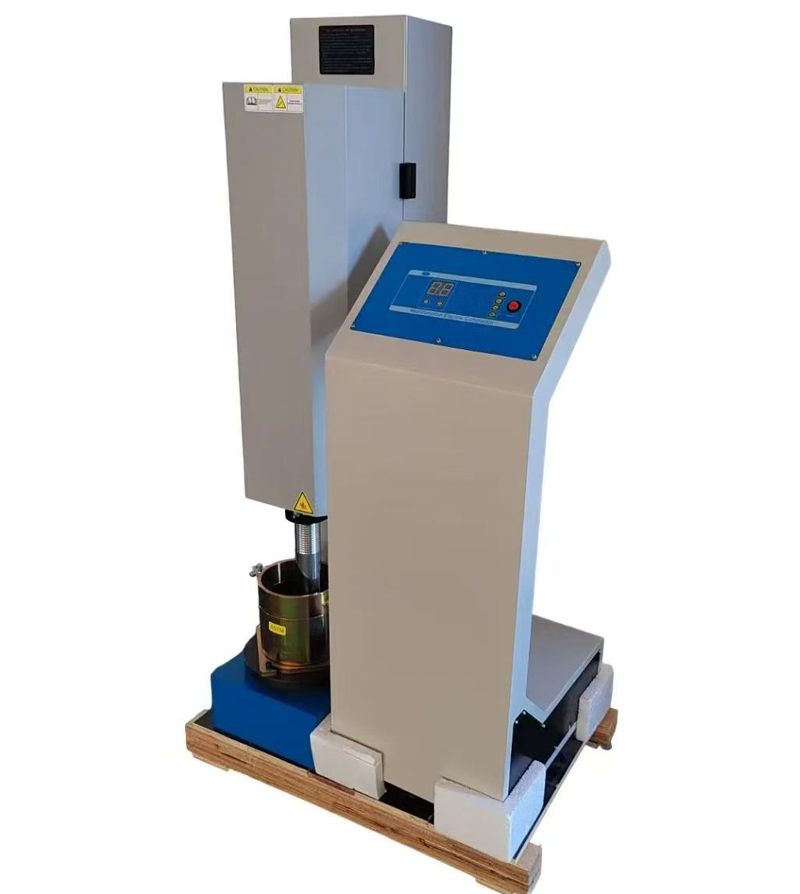
Soil Electric Compaction Apparatus
Soil Electric Compaction Apparatus
Soil Electric Compaction Apparatus Complies to ASTM D558, ASTM D698, ASTM D1557, AASHTO T99, AASHTO T134, AASHTO T180 standards
The time and effort required to prepare specimens for compaction studies and other test methods can often be costly and time-consuming. The use of an automatic, mechanical compactor will show considerable cost benefits over hand compaction methods.
These machines automatically compact specimens eliminating the laborious hand compaction method. The height and weight of the rammer are adjustable to suit test requirements.
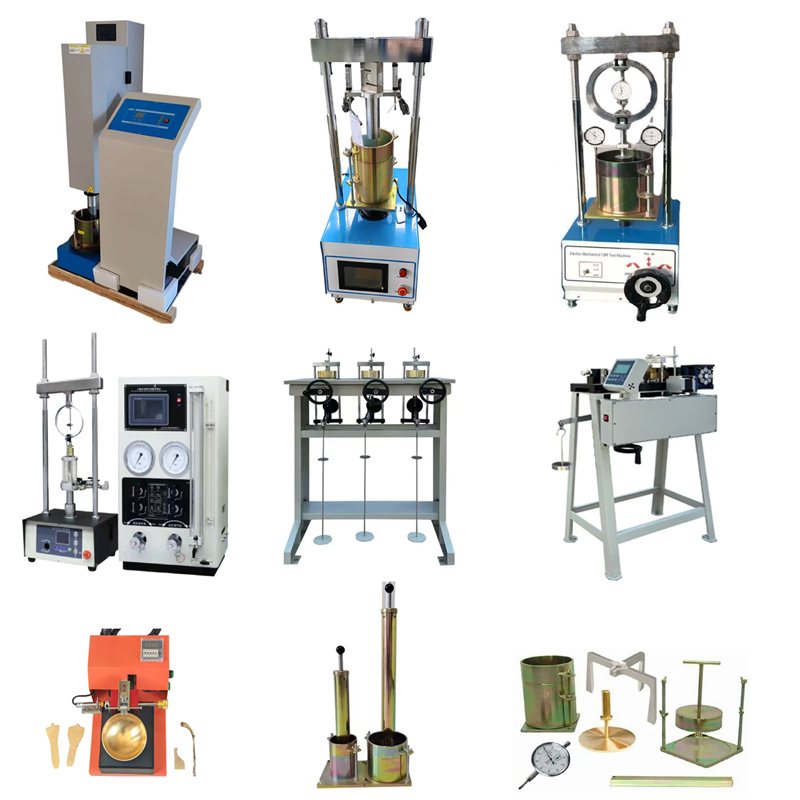
Lab Soil instrument:
Soil Electric Compactor: Revolutionizing Soil Testing and Construction
In the fields of civil engineering and construction, the importance of soil compaction cannot be overlooked. Well-compacted soil provides a stable foundation for buildings, roads, and other infrastructure. Among numerous soil compaction tools and technologies, the electric soil compactor stands out with its modern solutions, significantly improving the efficiency and accuracy of soil testing and compaction processes.
Understanding Soil Compaction
Soil compaction is the process of increasing soil density by reducing air pores, thereby enhancing its load-bearing capacity. This is crucial for ensuring the long-term stability and safety of structures built on soil. Traditional soil compaction methods typically employ mechanical means, such as road rollers and vibratory plate compactors, which are time-consuming and labor-intensive. However, the advent of electric soil compaction equipment has revolutionized this process.
What is a soil electric compactor?
The electric soil compactor is an innovative device designed to compact soil samples using electricity. Unlike traditional compaction methods that rely on heavy machinery, this device uses an electric motor to apply controlled pressure to the soil sample. This technology allows for precise control of the compaction process, ensuring uniform soil density and reducing the risk of over-compaction or under-compaction.
Main Features and Advantages
1. Accuracy and Consistency:One of the key advantages of electric soil compactors is their ability to deliver consistent compaction results. The motor can be calibrated to apply specific compaction forces, allowing engineers to achieve the desired soil density with high precision.
2. Time Efficiency: Traditional compaction methods are time-consuming, often requiring multiple compaction passes to achieve the desired effect. The electric soil compactor simplifies this process, significantly reducing the time required for soil testing and compaction.
3. Portability: Many models of electric soil compactors feature a portable design, making them suitable for various field conditions. This portability allows engineers and construction teams to conduct soil compaction tests on-site, obtaining immediate feedback and accelerating decision-making.
4. Reduced Labor Costs:Electric soil compactors minimize manual labor requirements through automated compaction. This not only reduces labor costs but also lowers the risk of injury associated with traditional compaction methods.
5. Environmental Considerations:** This equipment is electrically powered, resulting in lower emissions compared to diesel-powered machinery. This aligns with the growing emphasis on sustainable construction practices and reducing the carbon footprint of building activities.
Civil Engineering Applications
The electric soil compactor has a wide range of applications in civil engineering. It is particularly suitable for:
- Geotechnical Engineering Investigation: Engineers can use this instrument to assess soil properties and compaction characteristics, which is crucial for designing foundations and other structures.
- Quality Control: During construction, this equipment can be used to ensure that soil compaction meets the prescribed standards, helping to prevent future structural problems.
- Research and Development:** Academic institutions and research organizations can use this equipment to conduct experimental research on soil properties and compaction techniques.
in conclusion
The electric soil compactor represents a significant advancement in soil compaction technology. Combining precision, efficiency, and portability, it addresses many of the challenges associated with traditional compaction methods. As the construction industry continues to evolve, the adoption of innovative tools like the electric soil compactor will play a crucial role in improving the quality and safety of infrastructure projects. With its ability to streamline processes and improve outcomes, this equipment is poised to become an indispensable tool for engineers and construction professionals.